Learning Outcomes:
i. Identify and name some common sex-linked disorders in humans.
ii. Recognize examples of sex-linked disorders in Drosophila melanogaster, the fruit fly.
iii. Understand the significance of studying sex-linked disorders in both humans and model organisms.
iv. Appreciate the role of awareness in promoting genetic health and well-being.
Introduction:
Imagine a world where some traits and conditions seem to favor one sex over the other. This isn't just a matter of preference, it's the fascinating realm of sex-linked genes, where genes residing on sex chromosomes influence our health and well-being in unique ways. In this lesson, we'll embark on a journey to discover some specific sex-linked disorders that affect humans and our tiny fruit fly friends, Drosophila melanogaster.
i. Humanity's Hidden Vulnerabilities: A Glimpse into Sex-Linked Disorders
Hemophilia: This blood clotting disorder, primarily affecting males, is caused by a recessive gene on the X chromosome. Without proper clotting factors, even minor cuts can lead to excessive bleeding, posing a significant health challenge.
Colorblindness: This visual impairment, also linked to an X-linked recessive gene, makes discerning certain colors, like red and green, difficult. While males are more likely to be colorblind, females carrying the gene can also experience milder forms of color vision deficiency.
Duchenne muscular dystrophy: This progressive muscle-weakening disorder is caused by a dominant X-linked gene. While both males and females can inherit this gene, males, with only one X chromosome, typically experience the severe muscle weakness associated with the disorder.
ii. Drosophila: Tiny Flies, Big Insights
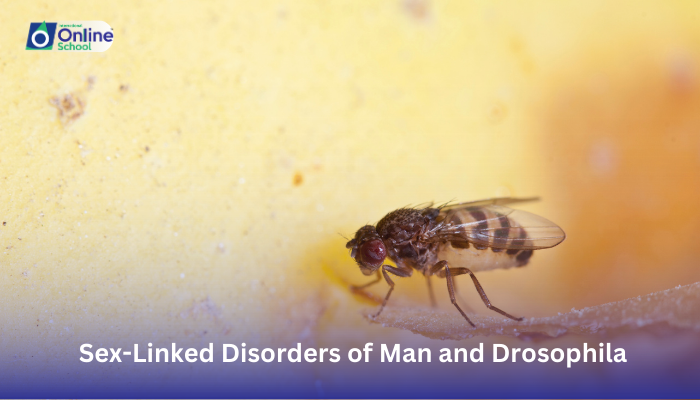
The humble fruit fly, Drosophila, serves as a valuable model organism for studying human genetics. Its short lifespan and rapid reproduction make it ideal for investigating sex-linked traits and disorders. Here are some examples:
White eye: This recessive X-linked gene disrupts eye pigment production, resulting in the characteristic white eyes in affected flies.
Bar eye: Another X-linked recessive gene alters the shape of the fly's eye, giving it a distinctive "bar" appearance.
Sex combs: These bristle-like structures on the head of male flies are influenced by Y-linked genes. Studying these structures helps us understand the role of Y chromosomes in sex determination and development.
iii. Why Study Sex-Linked Disorders?: A Bridge Between Species
Understanding sex-linked disorders in both humans and Drosophila offers valuable insights:
Model Organisms: Studying Drosophila helps us understand the basic principles of sex-linked inheritance and gene expression, which can then be applied to human genetics.
Genetic Testing and Counseling: Knowledge of specific sex-linked disorders empowers genetic counselors to provide informed advice to families about their risks and options.
Developing Therapies: Studying the mechanisms of sex-linked disorders can pave the way for developing targeted therapies and treatments for these conditions.
Sex-linked disorders are a reminder of the intricate interplay between genes and chromosomes that shapes our health and well-being. By recognizing specific examples in humans and Drosophila, we gain a deeper appreciation for the complexity of genetic inheritance and its impact on our lives. This knowledge empowers us to promote awareness about genetic health, make informed decisions for our families, and contribute to advancements in genetic research and healthcare. So, the next time you hear the term "sex-linked disorder," remember the stories of humans and flies, their shared vulnerabilities, and the potential for scientific discoveries that can improve the lives of us all.
